

Digital asset management is moving beyond simple Bitcoin exposure. The first wave was about giving institutions regulated access to crypto. The next phase is about building full digital asset platforms inside major asset managers.
.
| Founded | Firm AUM | Digital Assets AUM | Tokenized Funds AUM | Crypto ETFs AUM | Blockchains |
| 1947 | $1.7T+ | $2.1B | $1.4B | $0.7B | 9+ |
Franklin Templeton Digital Asset Management Snapshot
The nomination centers on the launch of Franklin Crypto, a dedicated cryptocurrency division announced on April 1, 2026.
Franklin Templeton created the unit through its planned acquisition of 250 Digital, an active cryptocurrency investment management firm spun out of CoinFund. The acquisition includes the 250 Digital investment team and liquid crypto strategies previously run by CoinFund.
Franklin Crypto gives the firm a dedicated active management arm for digital assets. It moves the business beyond passive ETF exposure and tokenized money market products into professionally managed liquid crypto strategies.
Franklin Templeton said its Digital Assets business managed approximately $1.8 billion in global assets as of December 31, 2025.
Its latest Q2 2026 investor update puts digital assets AUM at $2.1 billion, including $1.4 billion in tokenized funds and $0.7 billion in crypto ETFs.
From Bitcoin ETFs to Active Crypto Management
Franklin Templeton was already part of the first US spot Bitcoin ETF cohort. It’s the Franklin Bitcoin ETF, EZBC, launched on January 11, 2024, and seeks to reflect the performance of Bitcoin before fund expenses. The ETF trades on Cboe and carries a 0.19% sponsor fee.
But the Franklin Crypto launch adds a different layer. The company is no longer only offering investors access to Bitcoin through an ETF wrapper. It is adding active liquid crypto strategies, crypto-native portfolio talent, and a dedicated internal division.
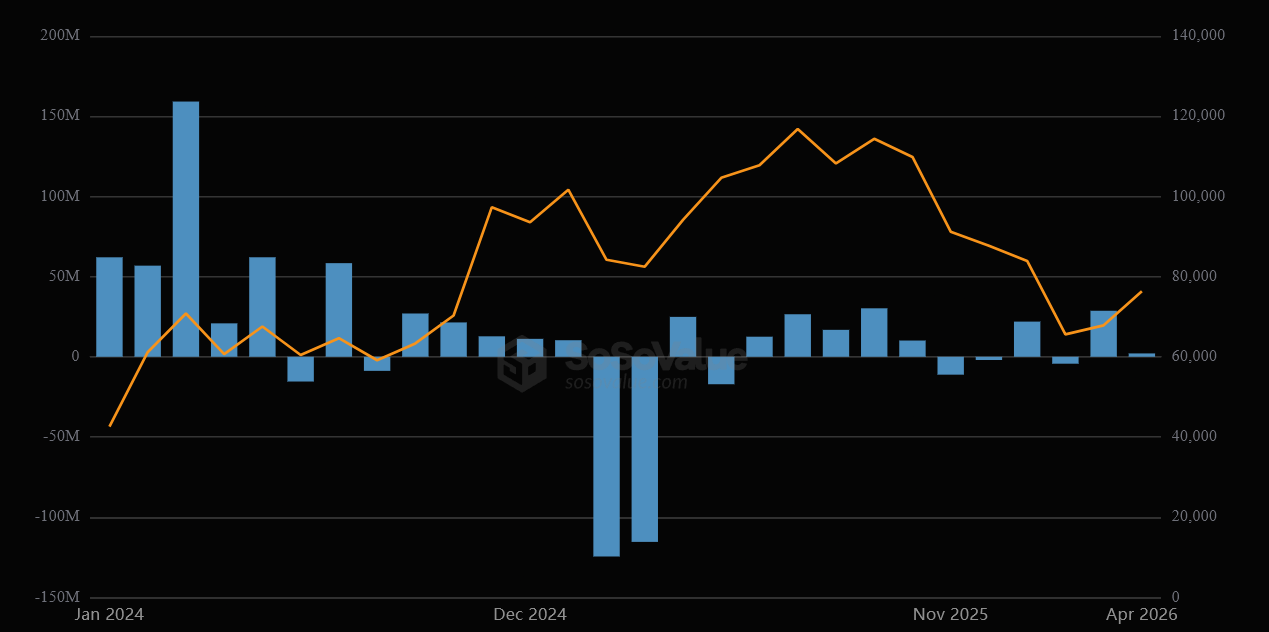
That is the more important institutional shift. Pension funds, sovereign wealth funds, and large allocators often need more than spot exposure. They need portfolio construction, risk management, liquidity management, and managers who can evaluate crypto markets with the same discipline used in other asset classes.
Franklin Templeton has also been building internal crypto capability since 2018. The company says its digital asset work combines tokenomics research, data science, and technical expertise. The firm has also built a team that includes blockchain-focused investment professionals, node operators, and digital asset specialists.
BENJI Becomes Core Infrastructure
The second pillar of Franklin Templeton’s nomination is BENJI.
The Franklin OnChain US Government Money Fund, or FOBXX, launched in 2021. Each share is represented by one BENJI token, and the fund’s transfer agent maintains the official share ownership record through Franklin Templeton’s blockchain-integrated Benji platform.
FOBXX was the first US-registered mutual fund to use blockchain-integrated technology to process transactions and record share ownership. Franklin Templeton’s own fund page states that FOBXX invests at least 99.5% of its assets in US government securities, cash, and repurchase agreements collateralized by US government securities or cash. The fund reported $843.74 million in total net assets as of March 31, 2026.
The platform has continued to expand across public chains. Franklin Templeton’s filings list support across networks including Stellar, Aptos, Base, Solana, Polygon, Arbitrum, Avalanche, and Ethereum. In September 2025, BNB Chain announced that Franklin Templeton’s Benji Technology Platform had also integrated with BNB Chain.
Tokenized Funds Move Into Institutional Workflows
Franklin Templeton has also pushed BENJI into trading and lending use cases.
In September 2025, DBS, Franklin Templeton, and Ripple announced plans to launch trading and lending solutions using tokenized money market funds and Ripple’s RLUSD stablecoin.
The arrangement allows eligible investors to acquire Franklin Templeton’s sgBENJI token on DBS Digital Exchange using RLUSD. DBS also said it would explore enabling sgBENJI tokens to be used as collateral for credit from the bank or third-party platforms.
That makes the Franklin Templeton story broader than asset gathering. The firm is building across several layers of digital asset management: passive ETFs, tokenized funds, blockchain recordkeeping, collateral use cases, stablecoin-linked trading, and now active crypto strategies.
This is why Franklin Templeton stands out in the category. It has treated digital assets as an operating business, not a narrow product line.
The recognize firms building the systems that could define the next phase of finance. Franklin Templeton’s nomination reflects its role in turning digital assets into a full asset management platform, spanning ETFs, tokenized securities, blockchain infrastructure, and active crypto investment strategies.
The post appeared first on .

